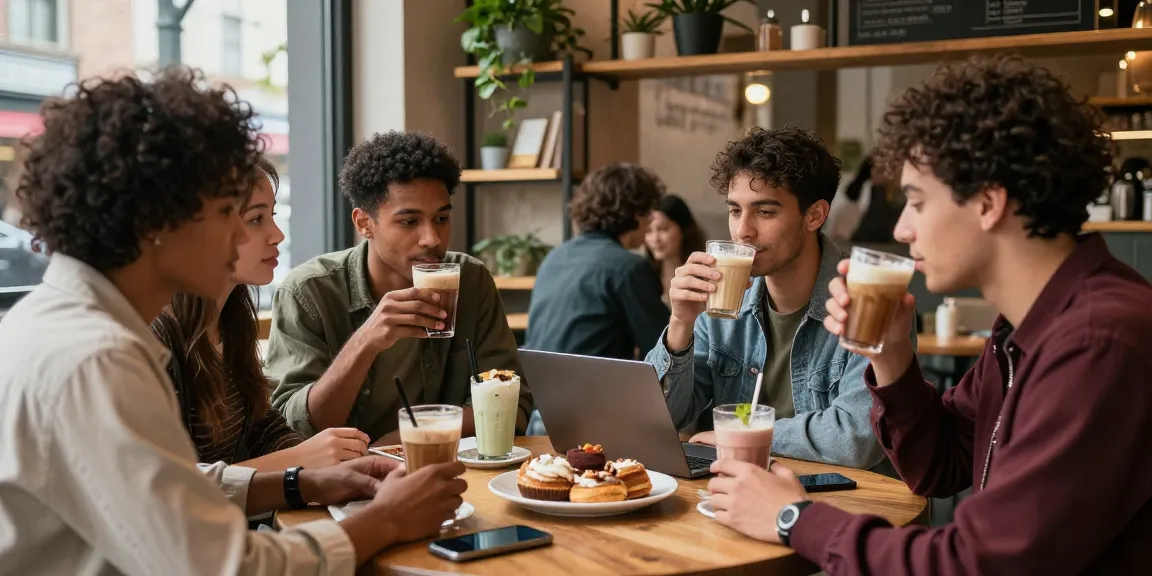
Understanding the Urban Lifestyle Trend
The urban lifestyle trend has been reshaping the way we live, interact, and consume for years. As cities grow more populous and technology becomes increasingly integrated into daily life, understanding this trend is crucial for both residents and brands aiming to resonate with modern consumers. A significant aspect of this lifestyle is how products and brands, such as rokok88, fit into the urban environment. This article will explore the nuances of urban living, its challenges, and strategies to thrive within this dynamic context.
Defining Urban Lifestyle
Urban lifestyle refers to the lifestyle choices of people living in densely populated areas, typically characterized by a fast-paced existence filled with cultural diversity, digital connectivity, and a blend of conveniences. It revolves around the idea of city living where social, economic, and environmental factors influence daily decisions, from commuting to consumption habits. In contemporary cities, urbanites prioritize experiences, local culture, and sustainability, which distinctly shape their lifestyle preferences.
Key Characteristics of Modern Urban Living
- Diversity: Urban areas are melting pots of culture, attracting people from various backgrounds. This diversity fosters creativity and innovation, particularly in food, fashion, and art.
- Connectivity: With advancements in technology, urban dwellers are deeply connected through social media and digital platforms, making communication and engagement more effortless.
- Sustainability: Increasing awareness of environmental issues has led urban residents to demand more sustainable practices from brands and businesses.
- Experiential Consumption: Modern consumers lean towards services and products that offer unique experiences rather than mere ownership, influencing how brands market and deliver their offerings.
How rokok88 Fits into the Urban Landscape
As urban culture evolves, brands like rokok88 that align with urban values are positioned to thrive. By integrating sustainability into their production processes and emphasizing local community ties, they resonate with modern consumers looking for authenticity and ethical choices. For example, rokok88 can appeal to urban dwellers by innovating tobacco products that reflect the city's fast-paced lifestyle while addressing health and sustainability concerns.
Strategies for Embracing Urban Lifestyle
To successfully navigate and embrace the urban lifestyle, individuals and brands must adopt several strategies that enhance connectivity, local engagement, and sustainability. Here are some critical approaches:
Cultivating Meaningful Connections
Building relationships in urban settings can be challenging due to the hustle and bustle of city life. However, brands can foster genuine connections through community events, social media engagement, and collaborative projects that encourage user participation and feedback. This approach not only strengthens brand loyalty but also creates a sense of belonging among urban consumers.
Integrating Digital Experiences
With an increasingly digital consumer base, incorporating technology into products and services can significantly enhance the urban lifestyle experience. Brands should invest in mobile applications, online platforms, and social media campaigns that offer unique experiences tailored to urban consumers, allowing them to interact with their products in innovative ways.
Emphasizing Sustainability and Localism
Today's urban dwellers prioritize sustainability and localism in their purchasing decisions. Brands that highlight eco-friendly practices and source materials locally can attract consumers who value ethical consumption. Engaging in local initiatives and supporting community-building efforts can further position brands as responsible urban players.
Challenges in Urban Living
Despite its many advantages, urban living presents several challenges that can impact lifestyle quality and brand engagement. Understanding these hurdles is critical for both consumers and brands aiming to navigate the urban landscape successfully.
Navigating Social Isolation in Cities
While cities are bustling hubs of activity, social isolation remains a prevalent issue. Urbanites can feel disconnected from their communities due to the fast pace of life. Brands have an opportunity to bridge this gap by creating spaces and experiences that encourage social interaction, such as pop-up events or community workshops.
Managing Sustainability Issues
As cities expand, environmental challenges become more pressing. Urban dwellers are increasingly concerned about pollution, waste, and resource management. Brands must be proactive in adopting sustainable practices and educating consumers about the environmental impact of their choices.
Countering Consumerism and Its Impacts
In urban settings, consumerism can sometimes overshadow meaningful experiences. Brands should focus on providing value beyond products, such as enhancing the quality of life or contributing positively to the environment. This shift can foster a more thoughtful consumption approach among urban consumers.
Case Studies: Successful Urban Lifestyle Projects
Examining successful urban lifestyle initiatives can provide valuable insights for brands looking to align with this trend. Below are several notable projects that embody the principles of urban living.
Innovative Community Spaces
Projects like the High Line in New York City demonstrate how to transform unused urban spaces into vibrant community areas. This elevated park not only provides recreational areas for residents but also supports local businesses, showcasing the potential benefits of community-driven initiatives.
Brands Leveraging Urban Culture
Companies like Nike and Adidas have effectively tapped into urban culture by collaborating with local artists and influencers. By focusing on community engagement and cultural relevance, these brands create products that resonate with urban consumers, enhancing brand loyalty.
Best Practices from Leading Figures in the Space
Thought leaders in urban development emphasize the importance of community input in shaping urban spaces. Engaging with residents helps ensure that developments meet the needs of those who live there, fostering a strong sense of ownership and pride in the community.
Future Trends in Urban Living
As we look ahead, several trends are poised to shape urban living significantly. Understanding these trends will be crucial for individuals and brands alike as they navigate the evolving landscape of urban lifestyle.
Predictions for 2026 and Beyond
By 2026, we anticipate that urban areas will become even more technology-driven. Smart cities will utilize data to enhance living conditions, improve services, and create a more sustainable environment. Brands that embrace these technologies and harmonize with urban lifestyles will likely see increased engagement and loyalty from consumers.
Emerging Technologies Influencing Urbanism
Technological advancements, such as IoT (Internet of Things), AI, and sustainable materials, will have a profound impact on urban lifestyles. These technologies can streamline city management, enhance consumer experiences, and drive sustainable practices.
How to Stay Ahead in the Urban Lifestyle Scene
To remain competitive in the urban lifestyle market, brands must continue to innovate and adapt to changing consumer preferences. Regularly assessing market trends, engaging with communities, and leveraging technology will be essential strategies in staying relevant.
What are the most effective strategies for urban lifestyle?
The most effective strategies include prioritizing sustainability, leveraging technology for better consumer engagement, and cultivating strong community connections. Brands that genuinely understand their urban customer base and actively contribute to the community are more likely to succeed.
How can brands align with the urban lifestyle trend?
Brands can align with urban lifestyle trends by adopting sustainable practices, engaging in local cultural events, and ensuring that their offerings speak to the experiences and values of urban consumers. Tailoring products to fit the urban lifestyle will enhance brand relevance.
What role does sustainability play in urban living?
Sustainability is central to urban living as residents increasingly prioritize eco-friendly options. Brands that prioritize sustainable practices not only attract environmentally conscious consumers but also contribute positively to urban ecosystems.
How will technology influence urban social interactions?
Technology will continue to shape urban social interactions by facilitating connectivity through social media and apps, enabling residents to share experiences and build communities instantly. Brands that integrate technology into their offerings can enhance consumer engagement and foster meaningful connections.
What are the common misconceptions about urban lifestyle?
Common misconceptions include the belief that urban living is solely about consumerism or overcrowding. In reality, urban lifestyle often emphasizes community, sustainability, and meaningful experiences, which are driving forces behind many urbanites' choices.