
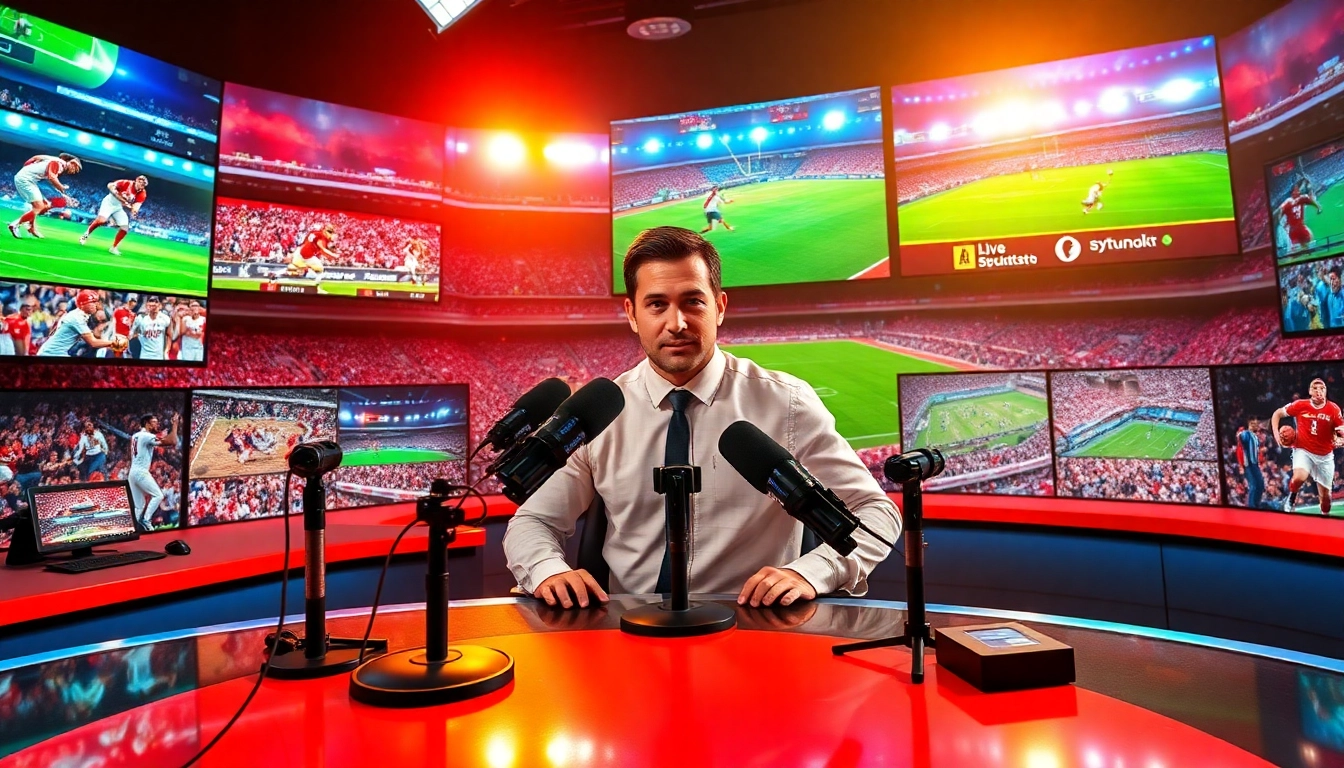
Understanding Sports Broadcasting and Its Importance
In the realm of modern entertainment, Sports Broadcasting stands out as a dynamic field that plays a pivotal role in connecting audiences with their favorite sports. Whether it's the thrill of a last-minute goal or the quiet anticipation before a big match, broadcasting serves as the bridge between the sports realm and the viewers at home. This article delves into the essentials of sports broadcasting, its challenges, innovations, and the strategies that make content successful.
Defining Sports Broadcasting
Sports broadcasting encompasses the live transmission of sports events, details, and commentary over various media platforms such as television, radio, and online streaming services. This form of broadcasting is not merely about showing the event; it is about delivering a complete spectator experience. It includes play-by-play commentary, expert analysis, interviews with players, and insights into game tactics, all designed to enhance the viewing experience.
The Role of Technology in Sports Broadcasting
The advancements in technology have dramatically reshaped the sports broadcasting landscape. From high-definition cameras to mobile applications, technology facilitates real-time interaction and engagement between broadcasters and audiences. On-site technology like drones and 360-degree cameras provide diverse perspectives, while augmented reality (AR) presents interactive graphics that enrich the viewing experience. Furthermore, sophisticated broadcasting software streamlines the production process, ensuring seamless transitions during live events.
How Sports Broadcasting Engages Audiences
Engagement is one of the core metrics of successful sports broadcasting. Broadcasters leverage various methods to keep audiences captivated, such as interactive polls during games, social media integration, and real-time statistics. By fostering a sense of community through these interactive elements, broadcasters create a more immersive and memorable experience, making viewers feel as though they are part of the action unfolding before them.
Key Components of Effective Sports Broadcasting
The Essentials of Equipment and Setup
Effective sports broadcasting relies heavily on its equipment and setup. High-definition cameras are crucial for capturing the intensity of live action, while specialized microphones ensure clear audio capture from the field or arena. Behind-the-scenes technology, including broadcasting software and graphics systems, plays a vital role in creating engaging visual content, incorporating player stats, and enhancing commentary. The physical arrangement of equipment also affects the quality of the broadcast—strategic placement of cameras and sound equipment can greatly enhance the overall production value.
Choosing the Right Format for Coverage
The format of coverage significantly influences audience experience. Different sports require distinct broadcasting approaches; for instance, an immersive multi-camera setup is ideal for fast-paced sports like basketball, while a more traditional single-camera approach may work for slower, strategic games like baseball. Additionally, broadcasters must consider whether to provide content via live events, highlights, or analysis shows to meet varying viewer preferences.
Understanding Audience Engagement Strategies
To effectively engage the audience, broadcasters must utilize a range of strategies. Real-time commentary that discusses tactics and provides insights can enhance viewer understanding. Integrating social media elements, such as live tweets or fan polls, encourages viewer interaction and creates a community feeling. Providing behind-the-scenes content or interviews with athletes also helps foster connections between fans and the sport, which can increase loyalty and viewership.
Challenges Faced in Sports Broadcasting
Technical Issues During Live Events
One of the most significant challenges in sports broadcasting is the occurrence of technical issues during live events. A signal drop, equipment failure, or unexpected weather conditions can lead to interruptions in coverage. It is crucial for broadcasters to have a contingency plan in place, including backup equipment and alternative broadcasting methods, to minimize disruptions. Regular testing of equipment prior to live events can also help mitigate potential issues, ensuring a smooth viewing experience.
Maintaining Viewership in a Saturated Market
The landscape of sports broadcasting is highly competitive, with countless channels and platforms vying for viewers' attention. As streaming services proliferate and audience preferences shift, maintaining viewership becomes an ongoing challenge. To combat this, broadcasters need to differentiate their content through unique programming, exclusive interviews, and enhanced viewer experiences that are not easily replicated by competitors.
Addressing Ethical Concerns in Broadcasting
Ethics play a vital role in sports broadcasting, as broadcasters hold a responsibility to present information accurately and sensitively. Issues may arise concerning commentary on athlete performance, personal lives, or socio-political contexts within sports. Broadcasters must navigate these complexities ethically and responsibly, promoting respect for both the athletes and the audiences. Implementing clear editorial guidelines can help mitigate potential ethical dilemmas.
Innovations Shaping the Future of Sports Broadcasting
Impact of Artificial Intelligence
Artificial intelligence (AI) is set to revolutionize sports broadcasting in various ways. From automated highlights generation to machine learning algorithms that predict viewer preferences, AI enhances efficiency and personalization. AI-enabled analytics offers broadcasters valuable insights into viewer engagement, enabling them to tailor content to fit audience preferences more precisely. This not only improves viewer satisfaction but also increases potential revenue from targeted advertising and sponsorships.
Trends in Streaming Services
The rise of streaming services has transformed the way audiences consume sports content. Viewers now expect flexibility in viewing options, such as watching on-demand or catching live-streamed events on various devices. This shift poses challenges for traditional broadcasters, who must adapt to provide engaging content that meets the demands of modern viewers. The integration of social media features, chat functionalities, and audience-driven content are essential in this new streaming landscape.
Enhancing Viewer Experience with Virtual Reality
Virtual reality (VR) is emerging as a compelling tool for enriching the sports broadcasting experience. Through VR technology, viewers can enjoy immersive experiences, such as feeling as though they are present at the event or interacting with 3D replays. This technology not only engages fans more deeply but can also attract a younger demographic keen on innovative experiences. As VR advances, its potential to change how sports content is consumed continues to grow.
Measuring Success in Sports Broadcasting
Key Performance Indicators for Broadcasters
To assess the effectiveness of a sports broadcast, broadcasters must track various key performance indicators (KPIs). Metrics such as viewer ratings, engagement levels, social media interaction, and advertising revenue provide insights into the success of broadcasts. These KPIs aid in evaluating audience preferences, guiding future content decisions, and informing marketing strategies. Consistent analysis ensures broadcasters remain responsive to changing viewer behaviors.
The Role of Feedback and Audience Analytics
Audience feedback and analytics offer critical insights into the effectiveness of broadcasts. Surveys, social media sentiment analysis, and viewership data all play a role in understanding what resonates with audiences. By actively seeking and responding to viewer feedback, broadcasters can refine their strategies to enhance content quality and viewer engagement continually.
Continuous Adaptation in Broadcasting Strategies
In a fast-evolving broadcasting environment, continuous adaptation is crucial for maintaining relevance. Broadcasters must remain agile, embracing new technologies, refining engagement strategies, and innovating content delivery. By fostering a culture of continuous improvement and collaboration among teams, sports broadcasters can effectively navigate the challenges of an unpredictable market, ensuring long-term success.
What is sports broadcasting?Sports broadcasting refers to the live transmission of sports events, news, and commentary via various media platforms. It serves to enhance viewer engagement and provide instant access to games.What technology is essential for sports broadcasting?Essential technology includes high-definition cameras, microphones, broadcasting software, and graphics systems, which help create a professional and engaging viewing experience.How do broadcasters engage their audience?Broadcasters engage their audience through interactive content, real-time statistics, commentary, and social media integration, which fosters a sense of community during games.What challenges do sports broadcasters face?Challenges include technical issues, competition from various platforms, audience retention, and ethical considerations, which must be effectively managed.How is the sports broadcasting landscape changing?The landscape is evolving with advancements in AI, the rise of streaming services, and increasing viewer demands for immersive experiences.