Understanding the H60 Case for Wooting: An Overview
The H60 case for Wooting represents a vital component for keyboard enthusiasts looking to customize their mechanical keyboard experience. Designed specifically to house Wooting's innovative 60% keyboards, this case not only enhances durability and aesthetics but also elevates the typing experience. Customization options abound, allowing users to tailor their keyboards to their preferences in both feel and look. When exploring options, the H60 case for Wooting provides comprehensive insights into building a setup that is truly personalized.
What is the H60 Case for Wooting?
The H60 case is a specialized housing designed for Wooting's line of compact keyboards, specifically the Wooting 60 and Wooting 60 HE models. This case is meticulously engineered to fit the unique dimensions and specifications of these keyboards, ensuring that all internal components are properly secured while providing ample space for customization. Its construction typically utilizes high-quality materials such as aluminum or durable plastics, making it both lightweight and robust.
Key Features of the H60 Case
- Compatibility: Designed exclusively for Wooting models, ensuring precise fit and functionality.
- Material Options: Available in a range of materials such as aluminum and high-grade plastics, providing durability and aesthetics.
- Customizability: Users can swap out keycaps, switches, and even add lighting elements to match personal preferences.
- Ergonomics: Many cases come with features to enhance typing comfort, such as adjustable feet for better angling.
Advantages of Using an H60 Case
Investing in an H60 case comes with numerous advantages that cater to both functionality and aesthetics. First and foremost, it protects the internal components of the keyboard from dust and damage, which can prolong the lifespan of the device. Additionally, the ability to customize allows keyboard enthusiasts to not only express their individual style but also optimize their typing experience with preferred switches and keycaps.
Choosing the Right Components for Your H60 Case
Compatible Switches and Keycaps
One of the most exciting aspects of building a custom keyboard with the H60 case is the selection of compatible switches and keycaps. The Wooting keyboards support a range of switches, including traditional mechanical switches and innovative Hall Effect switches for enhanced performance. When selecting keycaps, consider materials like PBT or ABS, as well as profile types such as SA or DSA for a personalized touch.
Setting Up Your PCB with the H60 Case
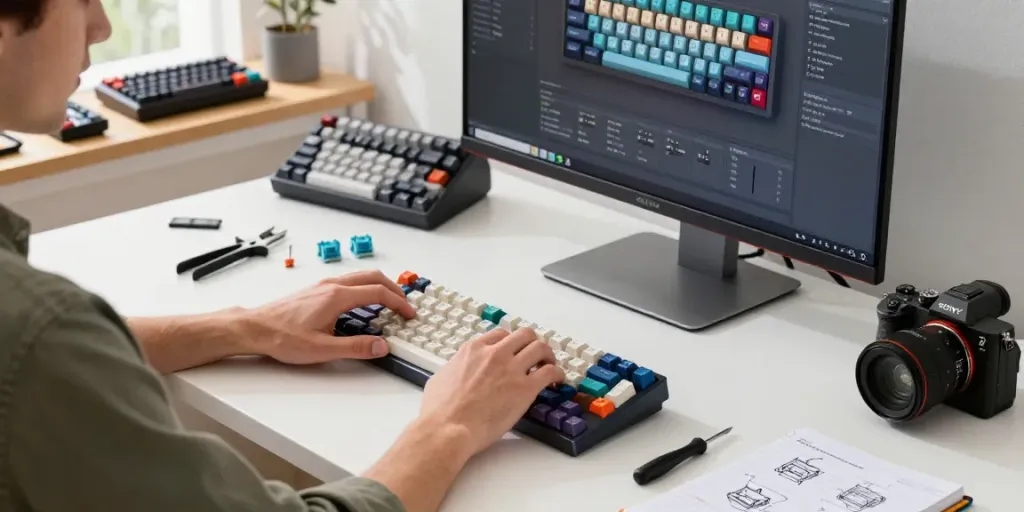
Installing the printed circuit board (PCB) into the H60 case is a straightforward process but requires careful handling to avoid damage. Ensure you have the right tools, such as a screwdriver and tweezers, to assist with the installation. Follow the manufacturer's guidelines to ensure that the PCB is securely fastened and the components are correctly aligned.
Recommended Accessories for Enhanced Performance
- Stabilizers: High-quality stabilizers can reduce wobble and improve keystroke feel.
- Foam Dampening: Adding foam between the PCB and the case can help minimize vibrations and noise.
- Custom Backlighting: For aesthetic contrast, consider LED lights that fit within the case.
Building Your Custom Keyboard: Step-by-Step Guide
Preparation and Tools Needed for Assembly
Before starting the assembly of your custom keyboard, gather all necessary tools and components. You will need a soldering iron if you're using non-hot swappable components, screws, a screwdriver, and your chosen switches and keycaps. Having everything ready will streamline the building process and ensure an efficient setup.
Installing the PCB in the H60 Case
Begin the installation by carefully placing the PCB into the H60 case. Align it with the mounting points to ensure it fits snugly and securely. If using stabilizers, install these first before the PCB to create a uniform fitting. Once the PCB is in place, screw it down to hold it securely within the case.
Tuning Your Keyboard for Optimal Performance
Tuning your keyboard can greatly enhance your typing experience. This tuning could involve adjusting switch type or modifying keycap profiles to find what feels best for you. Experiment with different settings to achieve the ideal tactile feel and response, making your custom keyboard uniquely tailored to your typing habits.
Common Challenges and Solutions When Using the H60 Case
Addressing Compatibility Issues
Compatibility between components is critical when building with the H60 case. Always verify that your selected switches and keycaps are compatible with both the case and the Wooting PCB. Reach out to community forums or consult product documentation to resolve any uncertainties or issues that may arise.
Troubleshooting Build Problems
During assembly, you might encounter several issues, such as misalignment of switches or improper soldering. If you experience keybindings not working, double-check the installation of your switches and PCB connection. Utilizing online tutorials or videos can provide additional assistance during troubleshooting.
Maintenance Tips for Longevity
To keep your custom keyboard in optimal condition, regular maintenance is essential. This can include cleaning the keycaps, checking the stabilizers, and ensuring connections remain secure. Additionally, avoid exposing your keyboard to excessive moisture or heat to prevent warping and component degradation.
Future Trends in Mechanical Keyboards and Customization
Emerging Technologies for Custom Keyboards in 2026
As we move toward 2026, expect to see exciting advancements in keyboard technology. Innovations may include wireless capabilities becoming more standardized, further miniaturization of components for compact builds, and the integration of smart technologies that allow for adaptive key functions based on user behavior.
Predictions for the Next Generation of Keyboards
The next generation of keyboards is likely to embrace sustainability, with a focus on eco-friendly materials and manufacturing processes. Furthermore, customization options will become even more user-friendly, with software solutions allowing for easy modifications to keyboard settings and layouts.
How Customization Will Evolve in Keyboard Design
Customization is poised to evolve as users seek to personalize their setups not just visually but also functionally. Expect to see modular designs that allow for easy swapping of components, as well as new materials and designs that cater to ergonomic needs while appealing to diverse aesthetic tastes.
What makes the H60 case suitable for Wooting keyboards?
The H60 case's design caters specifically to the dimensional and structural needs of Wooting keyboards, ensuring optimal fit and functionality. Its compatibility with various PCB layouts and customizable components makes it a perfect choice for enthusiasts wanting a tailored experience.
Are there alternatives to the H60 case for Wooting?
Yes, there are several alternative cases available that cater to the same size and style as the H60. Options can vary in materials and design features, providing users with a range of choices to suit their specific needs and preferences.
How can I personalize my keyboard with the H60 case?
Personalization can be achieved through the use of unique keycap designs, custom switch selections, and added features such as LED backlighting. Users can also explore different case colors and finishes to complement their desktop aesthetics.
What are the benefits of customizing your keyboard?
Customizing your keyboard allows you to create a device that meets your personal preferences in both functionality and style. This can enhance your typing experience, increase productivity, and provide a greater sense of satisfaction with your setup.
Can I use any keycap set with the H60 case?
While many keycap sets are compatible, it's essential to choose sets that match the layout and profile of the switches being used in the H60 case. Confirm compatibility to prevent fitting issues and ensure optimal typing performance.