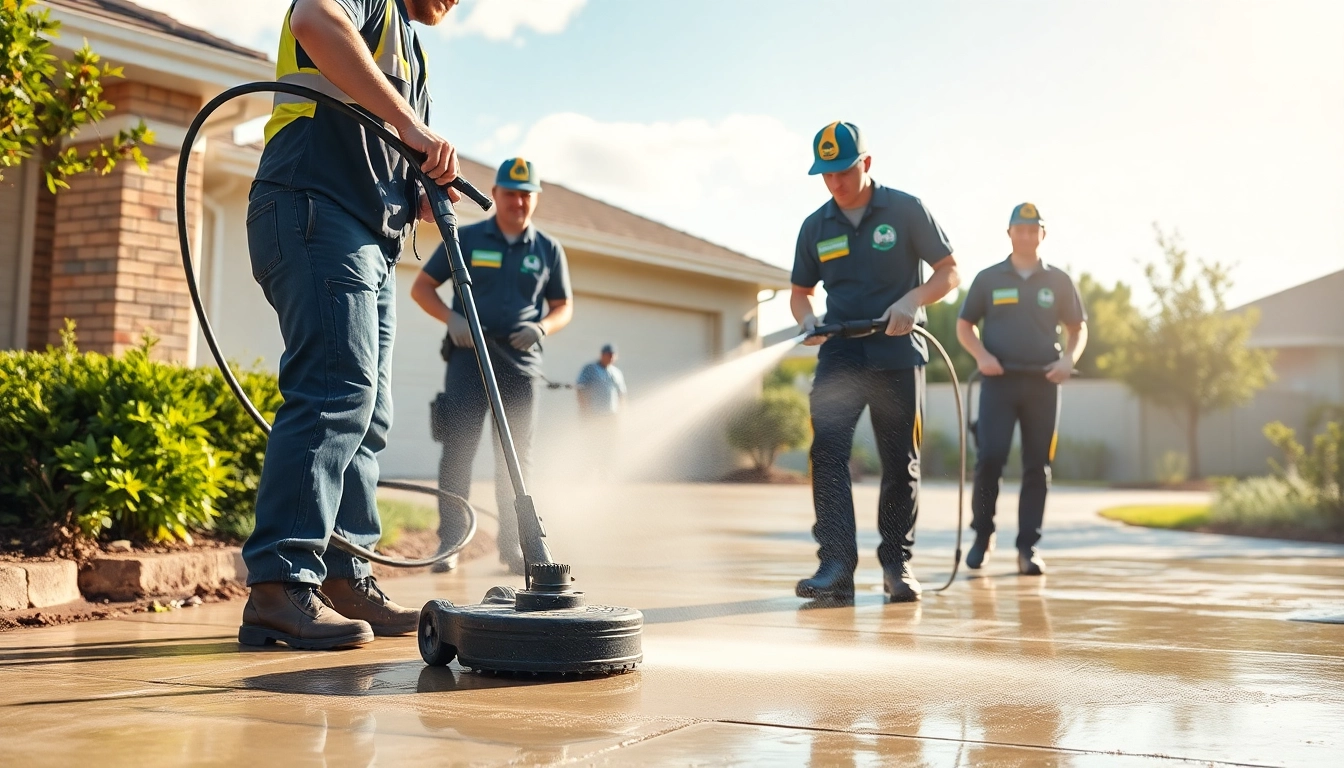
Understanding Concrete Cleaning Basics
Concrete surfaces, often subjected to heavy traffic and environmental elements, can accumulate a plethora of stains and dirt over time. Understanding the fundamentals of concrete cleaning is essential for homeowners and business owners alike who wish to maintain the aesthetic and functional quality of their properties. Regular cleaning not only enhances the visual appeal but also prolongs the life of concrete surfaces, preventing costly repairs or replacements in the future.
The Importance of Concrete Cleaning
Concrete cleaning is paramount for several reasons. Firstly, maintaining clean concrete surfaces enhances curb appeal, which is critical for both residential and commercial properties. A well-kept exterior can significantly influence potential buyers or customers’ first impressions. Secondly, regular cleaning helps prevent the development of more serious issues like mold growth, staining, and water damage, which can lead to costly repairs.
Common Types of Concrete Stains
- Oil and Grease Stains: Common in driveways and garages, these stains are challenging to remove without the right cleaning method.
- Mold and Mildew: These can thrive on damp, unclean concrete, leading to unsightly black spots and potential health hazards.
- Rust Stains: Typically caused by metal objects left on concrete surfaces, rust stains can be particularly difficult to eliminate.
- Food and Beverage Stains: Spills from outdoor parties or barbecues can leave noticeable marks on patios and sidewalks.
Choosing the Right Concrete Cleaning Method
The method selected for concrete cleaning largely depends on the type of stain and the condition of the concrete. Traditional methods involving harsh chemicals can be harmful to the environment; therefore, opting for eco-friendly cleaning solutions is advisable. Additionally, pressure washing remains one of the most effective techniques, capable of removing deep-seated dirt and stains quickly.
Top Pressure Washing Techniques
When it comes to concrete cleaning, pressure washing is among the most effective techniques available. However, it's crucial to select the right approach to achieve optimal results without causing damage.
Benefits of Hot Water Pressure Washing
Hot water pressure washing is particularly effective for removing oil and grease stains. The high temperatures help break down these substances, making the cleaning process more efficient. Using hot water can reduce the need for chemical detergents and is better for the environment, as it minimizes harmful runoff into storm drains.
Soft Washing for Delicate Surfaces
While pressure washing is great for tough stains, softer surfaces like stamped concrete or decorative pavers may benefit more from soft washing techniques. This method utilizes lower pressure combined with specialized cleaning solutions to safely remove dirt and algae without damaging the surfaces.
Eco-Friendly Options for Concrete Cleaning
More homeowners and businesses are turning to eco-friendly cleaning options. Biodegradable detergents and plant-based solvents can effectively clean concrete surfaces without harming the environment. Additionally, utilizing water reclamation systems during pressure washing can help conserve water and reduce environmental impact.
Tools and Equipment for Concrete Cleaning
Having the right tools is essential for effective concrete cleaning, whether for a DIY project or professional service. Here’s what you need to know about the equipment involved.
Essential Equipment for Professionals
- Pressure Washer: A high-quality pressure washer with adjustable pressure settings can handle various cleaning tasks efficiently.
- Surface Cleaners: These attachments help distribute the pressure evenly and cover large areas quickly, improving cleaning times.
- Chemical Dispensing Systems: For professional services, having a system to mix and apply detergents can enhance cleaning effectiveness.
DIY vs. Professional Tools
While DIY cleaning can be accomplished with standard pressure washers available for rent, professional services often utilize advanced equipment that offers higher efficiency and better results. Understanding the difference can help property owners decide whether to tackle cleaning themselves or hire professionals.
Innovative Technology in Concrete Cleaning
Emerging technologies are reshaping concrete cleaning methods. Robotic cleaners equipped with sensors that navigate and identify stains are making their way into the market. Additionally, mobile applications that assist in scheduling and managing cleaning tasks are becoming prevalent among service providers.
Best Practices for Effective Concrete Cleaning
For both DIY enthusiasts and professionals, following best practices can yield the best results in concrete cleaning. Implementing these strategies will not only enhance the effectiveness of cleaning but also ensure safety and longevity of the surface.
Step-by-Step Concrete Cleaning Guide
- Prepare the Area: Clear the concrete surface of any obstacles, debris, and furniture.
- Pre-Treat Stains: Apply the appropriate cleaning solution to stubborn stains and allow it to sit for the recommended time.
- Pressure Wash: Use a pressure washer, starting from the highest point and working downwards.
- Rinse Thoroughly: Ensure all cleaning solutions and debris are rinsed away.
- Seal the Concrete (Optional): After cleaning, applying a sealant can protect the surface from future stains.
Safety Measures During Concrete Cleaning
Safety should always be a priority when cleaning concrete surfaces. This includes wearing appropriate protective gear such as gloves, goggles, and non-slip footwear. Additionally, the use of proper equipment helps prevent injury and ensures effective cleaning.
Maintaining Clean Concrete Surfaces
Regular maintenance is essential to keep concrete surfaces looking their best. Scheduled cleanings, prompt treatment of stains, and applying sealants are all effective strategies. Property owners should consider creating a maintenance schedule to keep track of cleaning needs.
Future Trends in Concrete Cleaning Services
The landscape of concrete cleaning is continually evolving, with new trends shaping the industry for the future.
Emerging Techniques for 2025
As we look towards 2025, advanced cleaning technologies such as nanotechnology and advanced polymers for stains are expected to become more mainstream. These innovations will enhance cleaning methods while ensuring greater durability of the concrete surfaces.
Consumer Demand for Eco-Friendly Services
The shift toward sustainability is prompting consumers to seek eco-friendly cleaning options. This trend demands that service providers not only offer cleaning but ensure their methods are environmentally responsible. Companies that prioritize sustainable practices will likely stand out in an increasingly conscious market.
The Role of Technology in Concrete Maintenance
Technology will continue to play a significant role in concrete maintenance, with innovations like smart sensors that can monitor the condition of concrete surfaces, alerting owners to necessary cleaning or repairs. Such advancements will likely lead to more proactive maintenance practices.